
A benefits package is a set of compensations that a company offers in addition to the position’s salary and the mandatory requirements in each country, and this collection of advantages is essential to attract a team that reaches results and is aligned with the company’s values.
In this article, we will cover the concept and its importance, criteria to consider when choosing benefits, tips to manage them, and 25 examples of employee benefits that can be offered for your company to stand out among competitors.
What is a benefits package and why is it important to attract the best professionals?
The benefits package can vary according to job titles or industries and generally includes categories such as discounts, extra days off work, reimbursements, insurance and bonuses.
Let’s highlight some of the main advantages that a competitive benefits package can bring to a company:
More engagement and connection with the company
Many professionals who are excellent in their expertise live busy lives and sometimes end up not being able to prioritize certain things, such as time for volunteer work, exercise, and breaks to cultivate mental health.
When the company includes this type of benefit in its package, it shows that it cares about the person and about building a better society, increasing the sense of belonging and engagement.
Higher satisfaction survey results
Benefits are a decisive factor in the hiring process and some benefits may have a higher perceived value than the money invested.
The numbers back this up: 78% of people in this study say they would stay with a company because they like the benefits package.
Better business results
A high-performance team is made up of people who are curious, inquisitive, open-minded and who see learning as a continuous process throughout life – the so-called lifelong learning.
An impactful, flexible benefits packages requires understanding the skills that will take people to the next level, considering the human being as a whole (body and mind), and the impact of the work they do in the company.
Solid benefits packages drive this connection to company culture and mission, leading to thriving workers who have a significant business impact.

What criteria should you consider when choosing benefits?
In this article we bring a wide range of examples of corporate benefits, but the reality is that you will have a limited budget and you will not be able to include all the items on this list in your benefits package, which is why a thorough analysis is so important.
To attract the best talent, choices need to be aligned with a few points:
Team profile: start with demographics such as average age and number of children so that the benefits package best fits the moment in life that most people on the team are going through.
Company values: take into account the values that guide the business. For example, if cultivating a healthy organizational culture is essential, self-care and mental health benefits (therapy, gym, mental health day off) will be an effective way to put these values into practice.
Seniority: a company may have an executive benefits package set up especially to attract the best talent in a competitive market, such as stock options, individual language training or a private retirement plan.
Popularity: to ensure that a benefits package remains current and attractive, ask the team in periodic satisfaction surveys to assess the perceived value of each benefit.
Competence gap: the benefits offered in the package must reflect the team’s skills gaps. For example, a company that has a global development team can include an English language classes platform to ensure smooth communication and internal mobility opportunities.
What competitors offer: It’s not uncommon for your team’s talent to be approached by competitor job offers and benefits packages compared, so it makes sense to spy on competitors’ open positions for the benefits offered.

25 types of corporate benefits to set up an attractive benefits package
In this list, we will rank from the most common benefits for employees offered in the market to the most unusual ones that are emerging as trends, so they can be chosen according to the criteria that make the most sense for the moment of the organization and budget.
#1 Flexible benefits card
Benefit cards work like a credit card, but with a balance that is loaded monthly with an amount stipulated by the employer.
The balance cannot be withdrawn in cash and is limited to authorized expense categories (generally meals, grocery, fuel, entertainment expenses, and others).
#2 Medical, dental and ophthalmological plan
A health plan is a benefit offered by most companies, but it can become even more attractive and relevant if it is extended to also include dental and eye care coverage.
#3 Mental health care
In addition, it is important to consider a plan that includes mental health: a survey found that 91% of Gen Z workers believe that companies should offer benefits related to mental health.
#4 Language and communication training
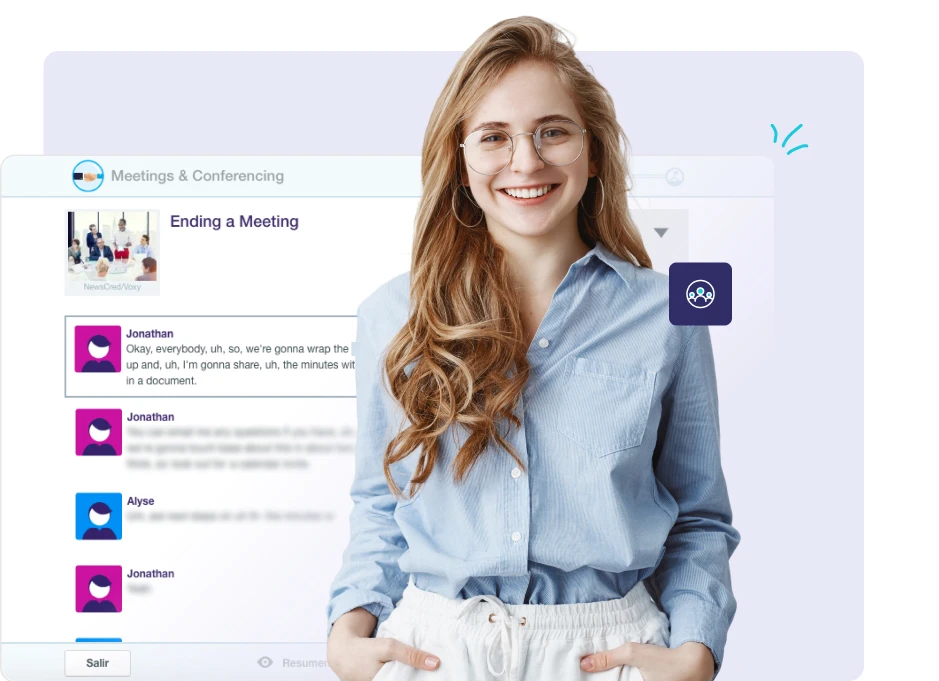
With teams increasingly working on activities that involve team collaboration and interaction with global businesses, the ability to conduct and participate in meetings, deliver presentations and communicate in English becomes more important every year.

Therefore, a language learning platform that offers private and group classes on skills that are used in everyday work is an essential item in a benefits package.
#5 Well-being
Memberships that allow admission to gyms at different locations, yoga, dance, swimming classes… These are great choices for companies that want to build a healthy organizational culture and a team of people who take care of themselves.
Wellness-related benefits are a growing trend: 62% of people say they consider wellness-related benefits when making the decision to say yes to a job offer.
#6 Mentorship program
A mentoring program connecting the team’s talents with experienced professionals from all departments can create opportunities for internal mobility and more engagement across the team, in addition to fostering the transfer of knowledge within the company.
#7 Professional development budget
In addition to investing in training in specific functions, in order to be able to meet the varied range of skills that people need to master in an organization, the company can provide reimbursement for courses and training of interest to each person on the team.
#8 Retirement plan
A survey of more than 3,000 people in different industries found that 76% of people tend to accept offers from companies that care about people’s financial well-being.
Therefore, investing in a private retirement plan can be a great differential in attracting the best talent.
#9 Life insurance
It’s not always easy for most people to save money to keep their family covered with life insurance, so the chance to secure life insurance through the employer is an attractive benefit especially for people with families – who can be just the experienced people you are looking for your team.

#10 Personal days
A number of days to be allocated for planned events for various reasons such as a weddings, birthdays and other family events, which can also be used for personal emergencies.
#11 Discount on company products or services
A significant discount on the company’s products and services can be of great value, especially in the durable goods industry, such as discounts on the purchase of cars, computers and other appliances.
#12 Birthday off
Adults may no longer be as excited about their birthday as they were in childhood, but a day without the rush and urgencies when the birthday falls on a weekday is an extremely valuable gift for a professional with a busy schedule, and it makes people feel valued.
This can be extended to also include children’s birthdays.
#13 Mental health days
Mental health days are an incentive for staff to take a break from the hectic routine for wellness-related things like managing anxiety or burnout.
#14 Home office budget
With the greater presence of hybrid and remote working regimes, allocating a benefit for people to equip their home offices with monitors, chairs, air conditioners and other improvements is a way to increase team engagement and productivity.
#15 Stock options
Stock options (option to purchase company shares) give team members the right to buy a specific lot of shares at a special price.
#16 Awards and gifts
People love to receive gifts, so it’s worth investing in a cool swag kit to be delivered when someone starts working at the company and celebrating tenure. More valuable gifts for longer times may help with retention.
#17 Company-sponsored discounts
The company can negotiate discounts with partner companies such as coworking spaces, restaurants, cafes and travel companies.
#18 Time for volunteering
How about putting ESG principles into practice through the company’s benefits package?
The company can facilitate the set up of voluntary work communities within the company and offer extra time for social actions.
This type of benefit works to attract people who want to make a difference for a better society without compromising their careers.
#19 Reimbursement for mobile and internet
Amount for reimbursement of monthly telephone and internet plan bills, especially relevant for hybrid or remote regimes.
#20 Parental leave beyond that required by law
Laws vary between countries, but the company may offer extra days beyond the law. Within the social initiatives of gender equality, the company can offer days to reduce the gap in parental leave between men and women.
#21 PLR
Participation in profits is a variable benefit paid to workers, a calculated percentage of the company’s profit, as a bonus for achieving results.
#22 Remote work
Although it cannot exactly be considered a benefit, but rather a work regime, the possibility of working remotely is the dream of many people today, because it gives people back very valuable things: less time in traffic, more time at home, fewer expenses and geographic freedom.
In a survey by Fortune magazine, remote work ranks fifth as the benefit people consider most important for staying with a company or accepting a job offer.

#23 Flexible schedule
In a work schedule with flexible hours, people gain the opportunity to take care of personal matters such as accompanying a family member to the doctor, renewing their passport, taking their car to a repair shop and other similar tasks, organizing their schedule with autonomy.
In the aforementioned Fortune magazine survey, a flexible schedule ranks at the top of people’s minds as a high-value benefit, mentioned by 81% of respondents.
#24 Child care
As an additional way of supporting people with young children, employers can reimburse caregivers for child care, such as daycare and domestic care.
#25 Free food
A company can win people over by their stomachs, offering meals or reimbursement for meals ordered at home.
Themed meals, healthy options like cut fruit and salads, snacks and sweets are great ideas for nurturing people and creating a culture of care.
This survey with 1,000 office workers found that job satisfaction went from 56% to 67% with the availability of free food.

Tips for managing the benefits package
Be data driven
Keep an exact track of benefit costs and people’s satisfaction rates with them, so that choices can be periodically evaluated and rethought to reflect the demands of the team.
Nominate a person to be responsible for managing benefits
As with training and development, benefits are strategic to cultivating a successful team, so it makes sense to have a person dedicated (exclusively or otherwise) to managing the benefits package.
Communicate benefits often
In order for people to remain engaged, that is, for them to actually use the benefits and for them to have a positive impact, it is necessary to periodically communicate and keep all the necessary information about the norms for use.
Here at Voxy, we use Guru as a repository of company information for the team, including everything about benefits.
Conclusion
A benefits package to attract the best talent to your business needs to be chosen according to some criteria, such as alignment with the company’s values, seniority of the position, and demographic profile of the people who make up the team.
But some benefits are popular and have a significant impact not only on the team’s quality of life and professional experience, but also on the company’s bottom line.
As we have seen, access to training is at the forefront of benefits considered important when considering a job offer for most workers.
The Voxy platform enables impactful English training for professionals with individual or group classes, focusing on the skills most applied in day-to-day work.