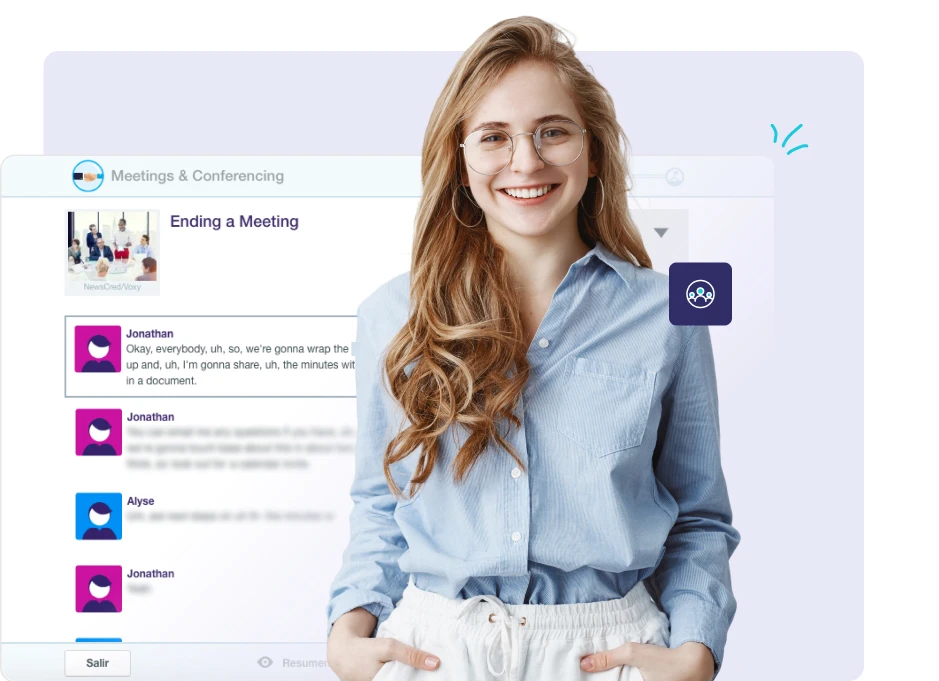

One of the coolest things that we do at Voxy is take authentic pieces of media (articles, video transcripts, images, tweets, etc.) and turn them into English lessons really quickly. Using technology that we developed in-house, in a matter of seconds we can select the most relevant keywords in any piece of text, define them, and identify different, related words so that we can automatically create dozens of different language learning activities. This is important because it lets us teach people with exactly what they need. We know that language learning works best when learners practice with materials that are interesting to them and relevant to their own goals, which is why one-size-fits-all approaches tend to fall flat. But, accomplishing this hyper-personalization at scale is all but impossible without leveraging technology, which is why we have four patents on the tool that lets us do it.
I explain this to people all the time, whether its investors who are thinking about working with us or language school directors who want to offer learners more tailored content. But what I have come to realize over the years is that while people can understand the importance of authentic, personalized content in theory, it is hard for them to grasp what that means in practice. So, I was delighted this morning when I found out that The International Journal of Advanced Corporate Learning had published a case study on the Voxy course English for Software Engineers (it’s on page 27). The study highlights exactly how we approached building this task-based course with all of the English that software engineers will use on the job.
With over 21 million developers across the globe, software engineering is one of the world’s fastest growing professions. English is central to a career in software development because almost every programming language borrows both commands and syntax from English. Further, here is a huge demand for software engineers to communicate in English in order to work in the U.S. or overseas for global companies. To build this course, we conducted dozens of interviews with subject matter experts—the engineers themselves—asking them about how they use English in the course of doing their jobs, what they need to read, and what they need to understand. We recorded meetings between engineers and clients as well as engineers themselves, and collected examples of threaded, text-based conversations between software developers throughout their workdays.
This innovative course gives students the skills they need to talk about their work, collaborate with clients and colleagues, and participate in global meetings. It won an award from the International E-Learning Association, and it’s being used right now with international software developers who need to be able to speak English. It provides a clear and comprehensible look at why a generic English course is inadequate, and how using real-world, needs-specific English content is the most efficient and effective way to get adults the skills they need to succeed.