
By Gerard Dawson –
Calling all HR departments — are you searching for the best way to provide English instruction to employees?
If so, then you’re probably considering two options: self-study online courses or teacher-led live classes. But did you consider a mixture of both?
The best option for employee English instruction is now clear: English learning is most effective when employees get both self-study courses online and live instruction with trained English teachers.
Fortunately, there’s an instructional model that does exactly that. It’s called blended learning.
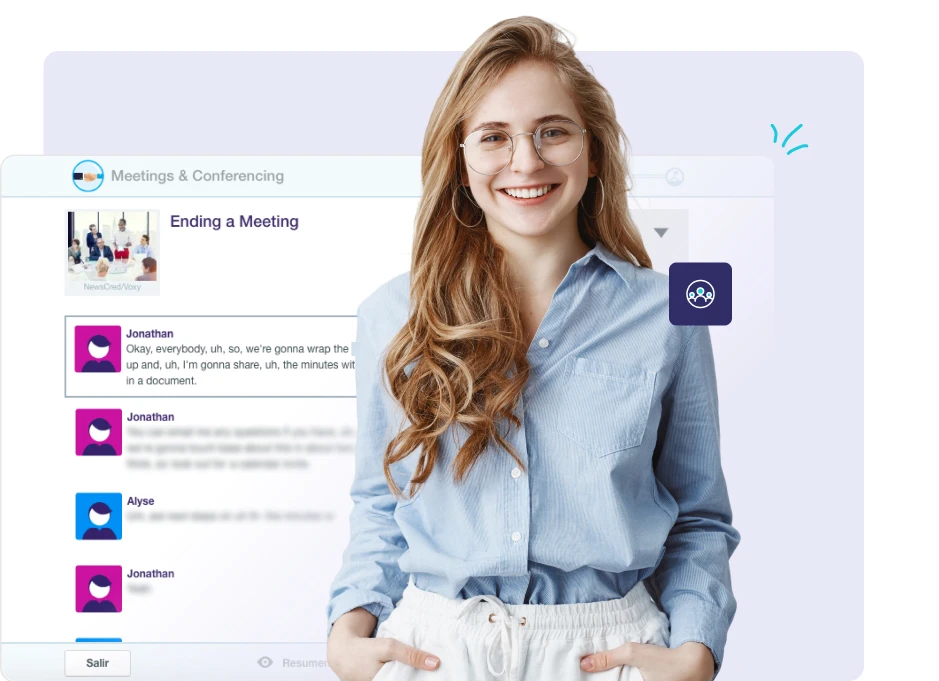
The blended learning model combines digital learning and live instruction to maximize results. First, students consume instructional content independently. This can include videos, worksheets, audio, or assessments. Then, students interact with teachers in real time, allowing students to ask questions and get help.
This sounds like a great compromise, but does it work? A recent meta-analysis revealed that students engaged in online learning performed better than students taking the same course in face-to-face classes.
So why not just use online courses? From the study: “Analysts looked at 13 different types of online learning applications, and found that only two had a significant impact on outcomes: (1) The total time spent studying; and (2) blended learning.”
HR departments, take notice: blended learning gives you the most learning for your dollar.
The benefits of blended learning are clear. Students can review content at their own pace. Whether faster or slower than average, students can move on to the next lesson when ready. This beats waiting for others to catch up or slowing others down.
Blended learning is also convenient. Recent data from Pew shows that 77 percent of Americans own a smartphone. It’s easy to study when the coursework fits in your pocket.
Like any model, there are challenges. Students may find digital instruction less engaging than a live class. Some may be less likely to study with no teacher peering over their shoulder.
Technology helps to address both challenges. Students can track learning content with badges and progress meters. Managers can visualize data on student engagement, adding more accountability. And push notifications, email, and SMS reminders help students stay on track.
If the blended learning model is new to you, then you may be hesitant to give it a try. It’s not as familiar as traditional classes, and it’s less streamlined than an online course. These claims may be true. But if your goal is to plan an education initiative that results in maximum employee learning, then a blended learning model is ultimately your best bet.