
Well, Um, are, Like Fillers Okay to Use?

“Well, um, are fillers like okay to use?”

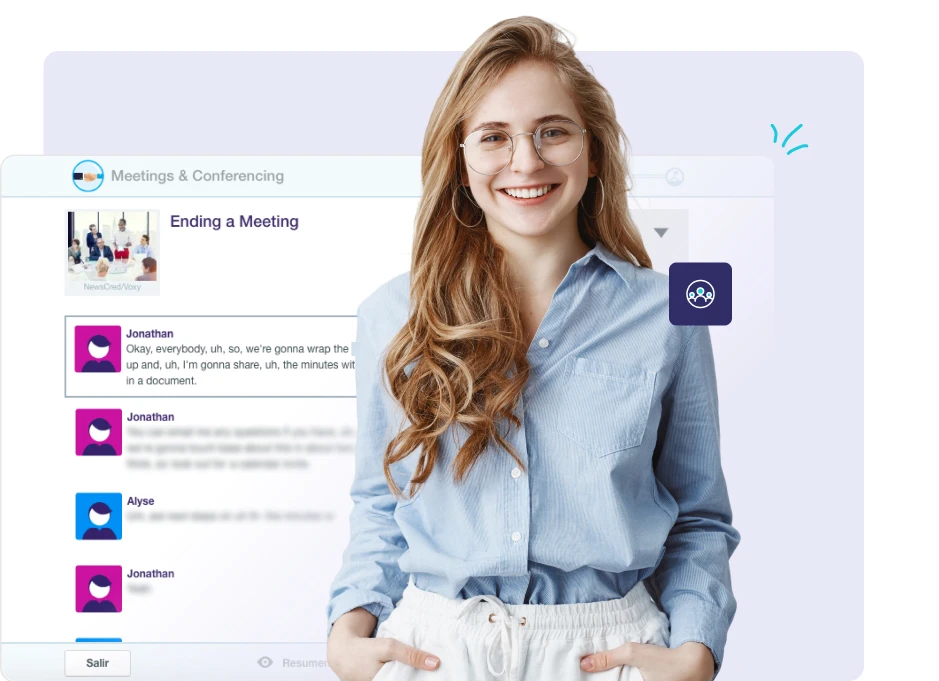
Fillers are unnecessary sounds or words that are inserted within our speech during a conversation. For example, “um”, “like”, “uh”, “you know!” and “actually.”   Why do we do this? It’s just one of the turn-taking strategies us humans use in conversations. During conversations when there is a pause, it is natural to think that the speaker has finished talking and the other speaker jumps in to for their turn.  However sometimes the pause is just someone taking some to think about what to say next. Therefore ‘fillers’ are a signal to indicate that you are not done speaking yet, but just having a moment to reorganize your thoughts.

Is it acceptable? There are two standpoints to this question. One side we have people who are outraged with the use in of fillers in any situation and condemn it is sloppy, meaningless and restricting conversation. On the other side we have those that believe using fillers occasionally in formal and informal conversations is fine as it results in a smoother conversation.

Fillers are just an element of the human language, as we can’t keep up a highly grammatical and flowing conversation all the time. Of course, it is possible to overuse fillers and give people the impression that the speaker is uncertain and weak in their language production. For example, “ I, like, went to, you know, that store that is, like, right down, um, like 5th avenue…” This makes it difficult to understand what the person is saying! Therefore it is important to limit the number of fillers used when speaking.

Do you feel like hesitation will affect fluency in your second language? As second language learners we are often told that we should be able to ‘formulate our thoughts clearly and coherently,’ before speaking. Yes, this is important, but we must also accept that there will be pauses in our speech, because there will be a point where you will not know how to put in the right words. So to avoid an awkward silence where other speaker might see it as a sign for their turn, we must have some of these ‘filler’s in the second language handy and ready to use. Using a couple of fillers here and there will not cause your speech to become incoherent but rather help it flow much smoother.

Here is a list of some ‘fillers’ we use frequently in English:

  • um..
  • ahh..
  • you know..
  • like..
  • ok..
  • right..
  • well…
  • basically…
  • literally…
  • actually…

Shared this content

Subscribe to the L&D Flow

Get the best Learn & Development content in your email

Related content

How Voxy uses AI to transform language learning in companies

The conversation around AI in language learning has never been louder, but if you look closely at the L&D world today, you’ll notice a pattern: everyone talks about innovation, but very few actually change the

KnowledgeMotion Acquires Voxy, Expanding Its Global Leadership in English Language Learning

KnowledgeMotion, the holding company behind leading education brands Listenwise, Lingolift, and Boclips, today announced the acquisition of Voxy, a globally recognized platform for second language training. The combined organization will serve more than 1,200 customers

Learning languages in the flow of work: the future of corporate language training

For a long time, learning a new language meant sitting in a classroom — physical or virtual — far removed from your daily routine; however, that’s no longer the case. The line between learning and

4 Predictions for the Future of Workplace Language Learning

Learning languages at work is undergoing a major transformation. What used to be just a nice-to-have skill is now a real passport to collaboration, innovation, and career growth Today, mastering a new language at work

Collaborative learning: how peers accelerate fluency

Learning a new language can feel like a solitary challenge: just you, your notebook, and an endless list of vocabulary. But does it really have to be this way? The truth is that fluency begins

Intercultural communication: how to transform diversity into a competitive advantage

Intercultural communication is no longer just an optional skill; the truth is it has become essential. In companies with teams spread across different countries, cultures, and contexts, effective communication goes far beyond speaking the same

How to Adapt Communication to Lead Multigenerational Teams

Never before in the history of work have we had so many generations coexisting. According to the World Economic Forum, there are already five generations working side by side within organizations. This scenario brings unique

English for Global Leaders: How to Transmit Influence in Corporate Contexts 

Have you ever stopped to think that leadership today goes far beyond making strategic decisions? In an increasingly globalized market, leaders must communicate clearly, engage teams from diverse cultures, and generate real influence. And this