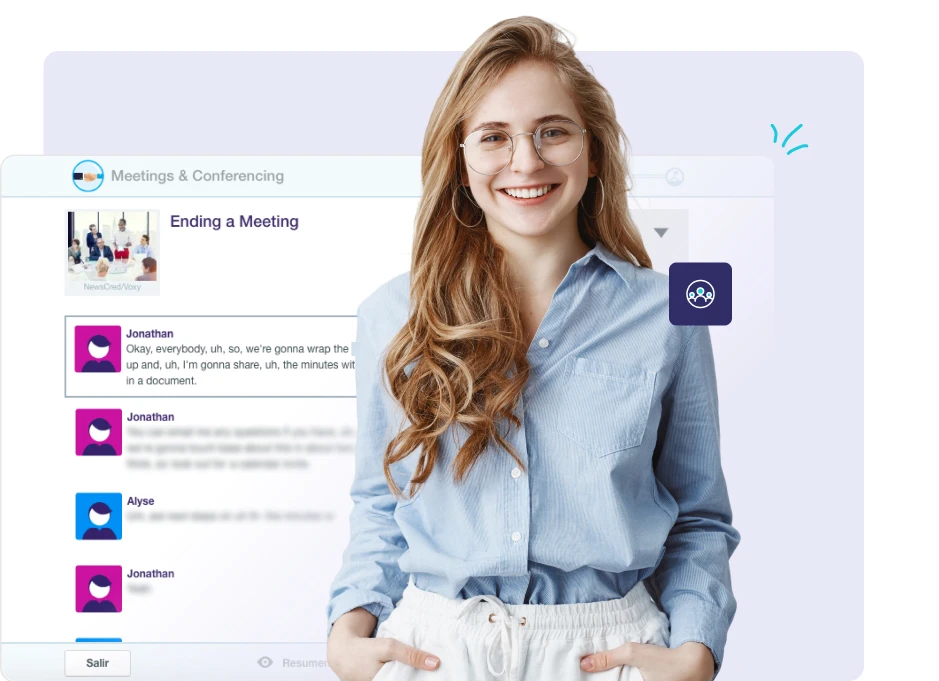

E-learning is an increasingly popular teaching approach. Here are 5 benefits to adopting it for your organization.
Offering employee learning opportunities is a way for companies to encourage staff development and ensure that the whole team receives proper training.
One such opportunity is e-learning, an online teaching approach that enables remote instruction. To make e-learning work, all employees need access to an Internet-enabled device, such as a computer, mobile device, or tablet.
The content, which is made available through digital platforms, should ideally be aligned with an adaptable and flexible teaching methodology to make it more engaging. In addition, the use of video and audio resources enables active learning and helps students interact with teachers and other learners.
Keep reading to explore the benefits of implementing e-learning in your organization.
1. Better Use of Time:
Since there’s no need to attend in-person classes elsewhere and learners can take lessons whenever works best for them, e‑learning enables employees to better manage their time by allowing them to study without significant disruptions to their personal or work routine.
This creates a self-paced approach to learning, empowering students with greater control over the whole process while also enhancing their productivity.
2. Self-paced Learning:
Similar to the previous benefit, this makes it easy for learners to access content they are most interested in, when they have the time, enabling each employee to personalize their learning experience according to their own needs, goals, and schedules.
Additionally, this makes e-learning a great option for building competencies through corporate training.
3. Greater ROI:
Since e-learning doesn’t entail infrastructure costs or require learners to attend classes in a different location, it’s a more affordable investment for both companies and employees when compared to traditional teaching models.
This makes it the perfect choice for organizations of any size and budget.
4. Ongoing Staff Training:
When companies invest in staff training, what they get in exchange is a skilled and up-to-date workforce. The adoption of e-learning leads to better results, higher engagement and more productivity for organizations.
This happens because investing in ongoing training makes employees feel appreciated, which helps to improve the corporate culture and reduce absenteeism rates.
5. Personalized Content:
With e-learning, content doesn’t need to be one-size-fits-all. It can actually be used to identify and explore topics that more greatly appeal to learners and align them with the company’s interests. A good example of this is personalized English courses.
Offering personalized courses is a way to go beyond the employee’s line of work and take into account their hobbies, ambitions and personal goals, making the content as useful to them as possible.
E-learning is a teaching method that benefits organizations and employees alike by providing a modern and simple take on instruction and making knowledge accessible to people all over the world.
If you’d like to incorporate the benefits of this learning approach into your organization, see what to consider before selecting a corporate e-learning solution for your company.