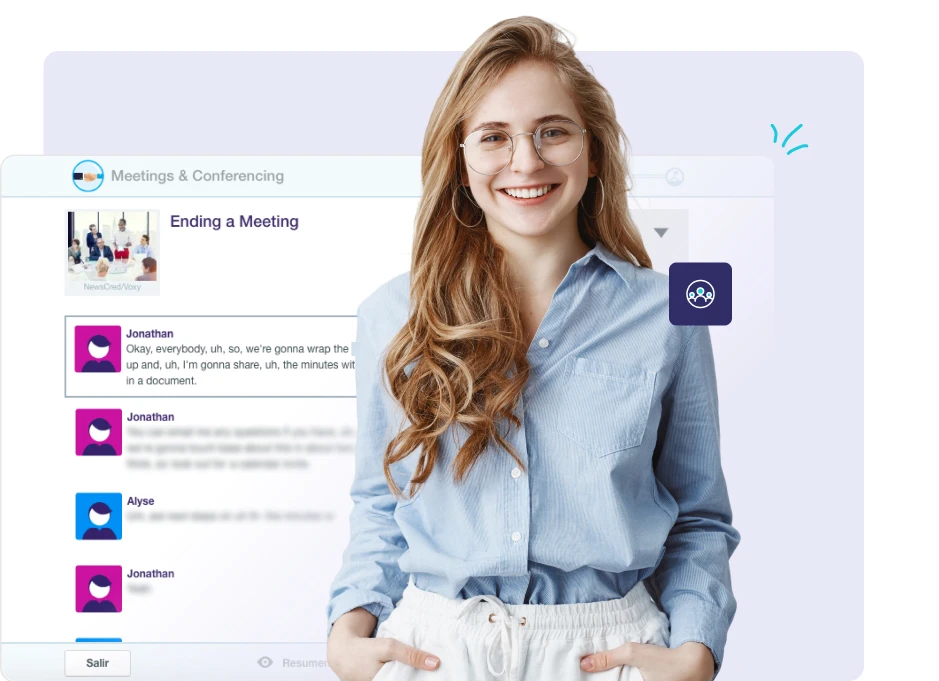

English is the most widely spoken language in the business world and makes communication between different countries and cultures possible. Mastering English is important in many areas, but this skill is especially important for technology professionals.
Tech teams have an ongoing demand for creative solutions to challenges, and collaboration provides a healthy soil for innovation to sprout. The team’s ability to communicate fluently in English for technology with teams in different geographical areas can be the key to boost collaboration (and results!).
Benefits and importance of English in Technology
Projects finish faster
Projects are the engine of a technology team and the sum of several tasks that are repeated, such as:
- Conducting meetings
- Defining project scopes
- Presenting projects and results to clients
- Writing software documentation and release notes
- Reporting problems and giving product customer support
- Exchanging ideas and asking questions to teammates
- Updating information on project management platforms like Jira and Asana
A team of fluent professionals spend less time on translations and have a better understanding of how to move projects forward.
Access to more training opportunities
Most training, certifications and documentations in the technology field are in Tech English, so it makes sense to start a training plan for people on the technology team with skills-based language training specialized in tech.
Fluid communication and collaboration
Companies and technology departments around the world depend on the ability to communicate ideas and collaborate as a team, welcoming and embracing diversity. With the mastery of English, the knowledge sharing, the connection and the opportunity for people to evolve and grow their ideas increases.

More opportunities for professional growth
Fostering Technical English proficiency in the team development strategies is one way to accelerate the preparation of people for leadership roles in technology.
In addition to the day-to-day tasks of conducting projects, there are other communication needs, such as more frequent one-on-one meetings with people from different cultures and with different accents, giving feedback, and interviewing people to join the team.

3 Ideas to Boost Fluency in Tech Teams
Give people the spotlight
Daily stand-ups, technical meetings, brainstormings… Provide team members with alternating opportunities to lead meetings and start team discussions. Internal meetings are a great preparation to represent the company in external meetings and events.
Classes with English for Tech instructors
Learning is much more efficient when applied to the context of the learner, with examples that are part of everyday professional life. That’s why it’s efficient to adopt a platform that offers classes with instructors who can provide a specific focus on the tasks and English vocabulary for technology.
Create spaces for informal conversations
Never underestimate the power of a good random topic to connect people. Set up a short virtual meetup for a periodic exchange of ideas, such as a movie club or an opportunity to play a game online.
See more tips to accelerate fluency in business English
A Software Engineering Manager’s perspective on the importance of mastering English
To emphasize the importance of English language fluency in technology, we spoke with Engineering Manager, Icaro Seara, manager of multiple tech teams, to understand the difference English has made in his life.
How did you begin your career journey as a software engineer?
I started my career in software engineering in 2008 right after I received my bachelor’s degree in computer science. At that time, I was selected for an intensive software engineering training program called “Microsoft Students to Business.”
It helped me to understand how the computer science concepts I was studying in the University could be applied to solve real-world problems. By the end of this program, I was hired for an internship program for an enterprise software company.
Briefly describe your role and how your position helps Voxy as a company meet goals
My main responsibilities are leading the architecture decisions to help Voxy’s product succeed, not only currently, but I also create the software foundation to support Voxy’s growth in the future.
On top of this, I work closely with the engineering team members to mentor them to achieve their career goals at Voxy.
As a manager who oversees multi-regional teams, why is English important in technology careers?
English is instrumental to succeeding in software engineering. In order to stay up-to-date with the latest technology, understanding and communicating well in one of the world’s most widely-used languages, English, is pivotal.
Interesting fact, one frequently asked engineering career question I receive is: “Which area should I focus on to succeed in software engineering?” My answer is always the same: “If you don’t speak the world’s technology language, which is English, you should focus on learning it first, before diving into tech trends.”
Icaro adds that, from there, teams can focus on getting certifications, which are generally offered in English to help them to stay on top of industry regulations and in preparing knowledge-sharing presentations.
What advice do you have for other managers who have to communicate with and manage global teams?
Managing a global team in tech is no trivial task. From my experience, the biggest challenge in managing global teams is communication. Different countries have different ways of communicating. [Managers also have to be aware of varying cultural norms that can impact communication.]
Also, having a global team requires understanding different accents as well. Besides this, another significant challenge in managing a global team is time zones that make communication even more difficult.
So, I would strongly suggest to always over-communicate. Also, I would suggest to avoid having private conversations when making project decisions. You should document your thoughts publicly whenever possible. That approach helps all the team members have access to the same information always.
What career challenges did you face before mastering English?
In tech, being up to date with the latest technology is not only required but also expected. Before mastering English, I used to wait until the content was translated into my mother language to access the latest trends, which usually takes months. So, I was always behind other engineers who had proficiency in English.
Also, after I was able to receive access to the information, the information was no longer relevant or was replaced by a new technique, which put me even further behind the others who had access to this information first.
What opportunities did English provide that you may not have access to otherwise?
English provided me a chance to interact with the best talent in the world, eventually you reach a point where you can not reach those talents without speaking the world’s language.
I believe talent is widely spread in every part of the world, so being able to interact with these talented people using a common language helps to get insights from the best minds in my field.
Prior to Voxy, have you ever been on a team where lack of English skills caused miscommunication?
Sure it has happened before. To be honest, miscommunication is one of the biggest challenges I have faced before given the lack of English skills. There is a reason behind it, technical concepts are difficult to explain, it is even harder whenever you don’t communicate properly in a given language. Being understanding is a soft skill that is as important as hard skills.
Conclusion
Fluency in English improves connection, collaboration and knowledge sharing in technology teams.
Private classes specialized in the tech area, opportunities to lead meetings and maintain informal conversations in English are ways to encourage the command of English in the team.
Schedule a conversation with Voxy to improve team productivity