
Never before in the history of work have we had so many generations coexisting. According to the World Economic Forum, there are already five generations working side by side within organizations. This scenario brings unique opportunities for exchange and innovation; however, it also requires leaders who can adapt their communication to engage diverse teams and maintain performance.
So, how can leaders adapt communication to guide multigenerational teams and ensure that everyone feels engaged and aligned?
What Is Multigenerational Communication?
It is the ability to adapt messages, language, and channels so that people from different generations can understand and engage effectively. It’s about building empathy and harmonizing expectations, while respecting diverse preferences without losing clarity and consistency in communication.
Why Talk About Multigenerational Communication and Effective Leadership?
In today’s workplace, Baby Boomers, Generation X, Millennials, Gen Z, and the emerging Generation Alpha already share the workplace — each with their own expectations, communication habits, and perspectives on work.
While this mix can bring diversity and innovation, it can also generate noise, conflicts, and even disengagement if leaders fail to adjust communication.
That’s why adapting communication to lead multigenerational teams is no longer just a desirable skill — it’s a strategic competency for any leader.
Understanding the Differences Between Generations
Before discussing strategies, it is worth remembering some characteristics that impact how each group communicates:
- Baby Boomers (1946–1964): value face-to-face meetings, formal communication, and stability.
- Generation X (1965–1980): prefer objectivity, autonomy, and work-life balance.
- Millennials (1981–1996): seek constant feedback, purpose at work, and flexibility.
- Generation Z (1997-2007): digital natives who promote agility, authenticity, and diversity.
- Generation Alpha (2010 onwards): still at the start of their careers, they are fully digital natives, raised in a hyperconnected world, and favor personalized, tech-driven learning experiences.
Recognizing these differences is not about stereotyping, but about creating empathy and tailoring your approach according to the profile.
Challenges of Multigenerational Leadership
The main challenge is balancing different communication and work styles. While some professionals highlight formality and stability, others lean towards agility, frequent feedback, and flexibility. Without conscious adjustments, this contrast can create misunderstandings, conflicts, and disengagement. Prepared leaders can transform these differences into a driver of innovation and collaboration.
5 Practical Strategies for Communication in Multigenerational Teams
1. Use multiple channels
Don’t rely on a single form of communication. Combine emails, face-to-face meetings, instant messages, and even short videos. This ensures everyone receives information in the format that works best for them.
2. Adapt your language
Some people favor formality, while others respond better to direct and informal messages. Observe your team’s style and adjust your tone — without losing consistency in your message.
3. Create listening spaces
Encourage moments where different generations can share perspectives. Reverse mentoring programs, for example, help leaders and teams exchange learnings naturally.
4. Prioritize clarity
Regardless of generation, everyone values clear and objective messages. Avoid jargon and make sure expectations are well aligned.
5. Offer personalized feedback
Younger employees may prefer quick and frequent feedback, while professionals with greater experience may incline toward structured, occasional conversations. Adjust the frequency and format to each person.
Want to empower your leaders to communicate effectively in diverse teams? Discover how Voxy’s programs develop leadership and communication skills in English and other languages — essential in today’s global workplace.
The Role of Leadership Training
Adapting communication is not just an individual skill — it must be developed in a structured way across the company.
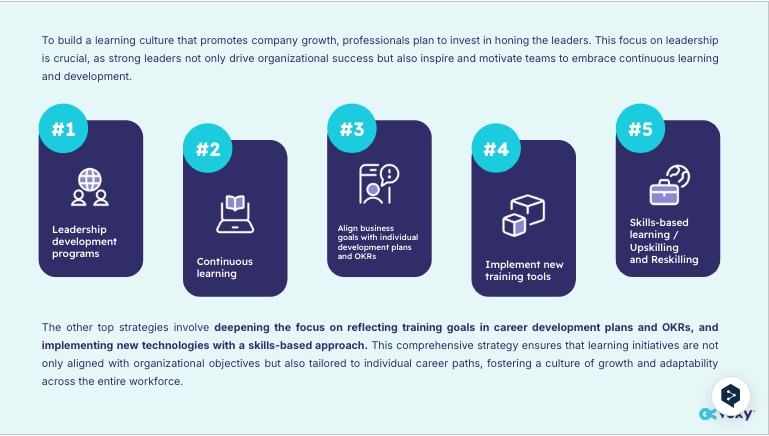
According to Voxy’s 2025 Global Benchmark Survey, leadership development programs were identified as the main strategy to face the biggest challenges in Learning and Development (L&D). Organizations already recognize the importance of preparing leaders to manage diverse teams, communicate effectively, and engage different profiles.
Beyond management competencies, communication in other languages is a decisive factor for global leaders. Corporate training solutions that combine leadership development with language fluency prepare leaders to interact across generations and cultures — a true game-changer for L&D strategies.
Investing in leadership means investing in clear, empathetic, and aligned communication, all of which are essential elements to transform multigenerational teams into high-performance groups.
Communication as a Bridge Between Generations
Leading age-diverse teams doesn’t mean trying to please everyone all the time. It means understanding differences, respecting preferences, and building a culture of collaboration.
When communication is adapted consciously, leadership gains trust, increases engagement, and strengthens team performance.
In this context, development programs that position communication at the center of learning help companies turn diversity into a competitive advantage. After all, when everyone understands each other, work flows better and innovation emerges naturally.
Voxy offers language training designed to reflect real corporate life, with courses tailored to different industries, departments, and roles. Our content helps professionals gain confidence in real work situations—from writing clear emails to participating in global meetings. Powered by AI and microlearning, our digital solution enhances team communication and unlocks your workforce’s full potential. Schedule a demo today.