Teaching English as a second language (ESL) is probably one of the most multifaceted occupations you could ever pursue as a career. It requires a unique skill set, including loads of cultural empathy and a chameleon-like ability to adapt to a variety of settings. A lot of the teachers are itinerant—staying in different locations year to year, finding work in small local schools or through online platforms—while others follow ESL careers in public and higher education. Many try it abroad and abandon it quickly thereafter, an interesting footnote in their personal histories.
When I landed in Japan in the fall of 2006, a longterm career was the last thing on my mind. Instead, after a quick day or two of training, I was teaching my first 45-minute class. This was my intro into the world of ESL. I remember using a sticky textbook with a smiling child on the cover (the class was all adults), the expectant looks on my students’ faces, and how unequipped I felt to meet their expectations.
So why, more than 10 years later, do I still find myself teaching ESL?
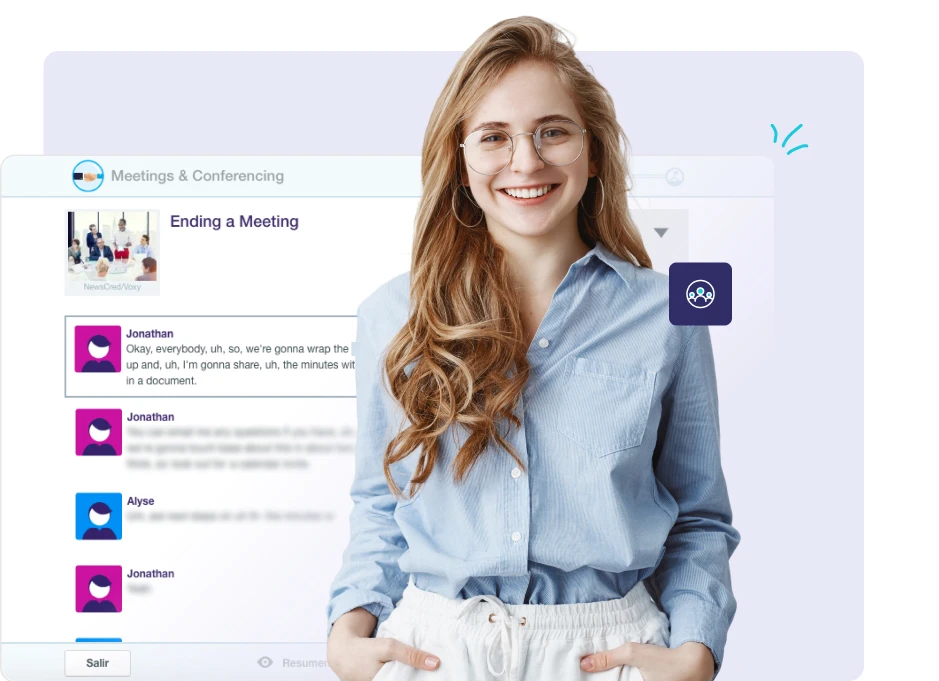
The short answer is visible and measurable progress in technology that is leading to improved progress with students. In the past 10 years, there has been a sea change in education technology. Video conferencing and platforms are faster, closing the gap between the physical classroom and the virtual one. Outmoded ways of ineffective instruction in language learning are giving way to a contextualized, personalized, task-based method that feels like a fully organic way of learning. At the start, learners may be tasked to talk about their families, their jobs, their favorite TV shows. In other words, their actual lives. We’ve thrown away the sticky textbooks, burned the ESL worksheets and dispensed with grammar rules learned by rote. It’s a very exciting time to be an ESL instructor.
Finally, this promise of technology and blended learning environments is becoming fully realized. Edtech companies are figuring out the best way technology and teachers can serve ESL students who haven’t had access to the forward-thinking instruction and technology many take for granted. For instance, do you know you can take a free online course on Modern and Contemporary American Poetry from the University of Pennsylvania? Go right now and sign up, you’ll see.
This is why I continue to tutor: Because it still matters, and there are still students who deserve the best of what our technology and progressive methodology have to offer. I’m a long way from that classroom in a small town on Kyushu, but it’s still a place that I think about. We all have to start somewhere, right?