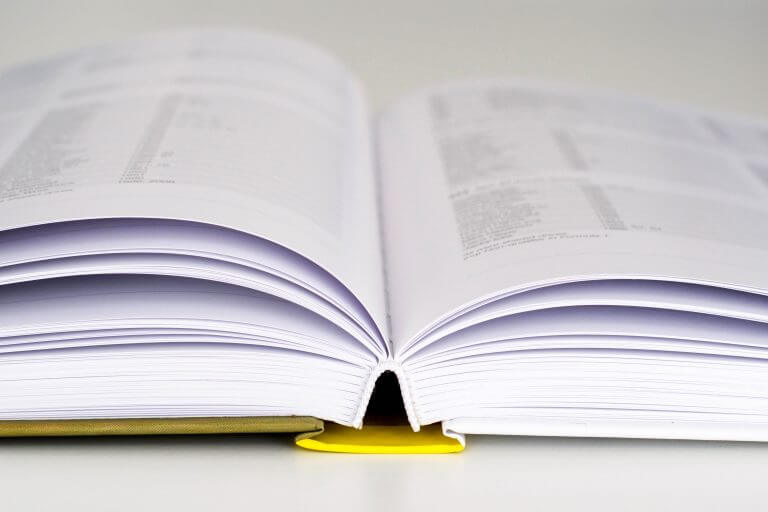
Think about the last time you read a textbook: You were most likely counting down the minutes until you could close the book, open a pint of ice cream and finish that movie you were watching. Textbooks aren’t traditionally associated with warm, fuzzy feelings, and may remind you of stuffy high school classrooms and standardized tests. Maybe there have even been one or two textbooks you did enjoy, but probably only because the material was already interesting to you.
Students live in an increasingly digital world and their learning experience should reflect that. Schools today need to leave textbooks behind and adapt to digital instruction if they want to keep up. If you think your organization could benefit but still haven’t made the switch, read on for three reasons why textbooks are an outdated model for classroom instruction:
- The costs are high
Writers, editors and designers are just a few of the people needed to build a successful textbook. A standard elementary school textbook costs about $100 USD, and these prices continue to rise over time. Each hand that the book passes through raises this final price, leaving the institution to shoulder a high markup that profits the publishing house. And after years of spilled drinks and creased pages, the books will have to be replaced, meaning another large financial investment. Digital models, in contrast, allow for a direct link between content producers and publishers, bypassing many stages in the traditional publishing process and saving money along the way. A recent study has shown that switching to digital textbooks—including the price of purchasing tablets—could save a 500-student school up to $250 per student per year.
- The content is outdated
Most of us don’t get our daily news from a physical newspaper anymore. Instead, you probably open your phone to see the latest headlines. Just as we don’t want to read yesterday’s news, students shouldn’t have to learn from yesterday’s materials. As soon as a textbook is printed, the material is already dated, leaving you with something that may look and feel new but is actually quite old. Instant media platforms like Twitter and Facebook have made it especially obvious that textbooks are the wrong platform for learning. In a world where a video uploaded onto Twitter can be used as an educational tool, textbooks will always remain one step behind digital models.
- Engagement is low
As a teacher, there’s nothing worse than watching your classroom slowly lose interest and fall asleep as you trudge through textbook activities together. Let’s be honest, textbooks can be boring and they lack opportunities for students to interact with the material, which makes them ineffective resources for modern education. Traditional textbook content is typically unrelated to a student’s daily life and needs, leaving them disengaged from the learning process. Digital platforms, on the other hand, allow students to learn from authentic and relevant sources like news sites and podcasts.
Students deserve to be inspired and excited by what they’re learning. Because textbooks won’t give them that, it’s time to adopt a new method for instruction. Students will be more satisfied and score higher on exams—all while cutting significant costs for your organization. Simply put, it’s a win-win.
Post by Tyler Andersen. Check out more of Tyler’s work on his website.