
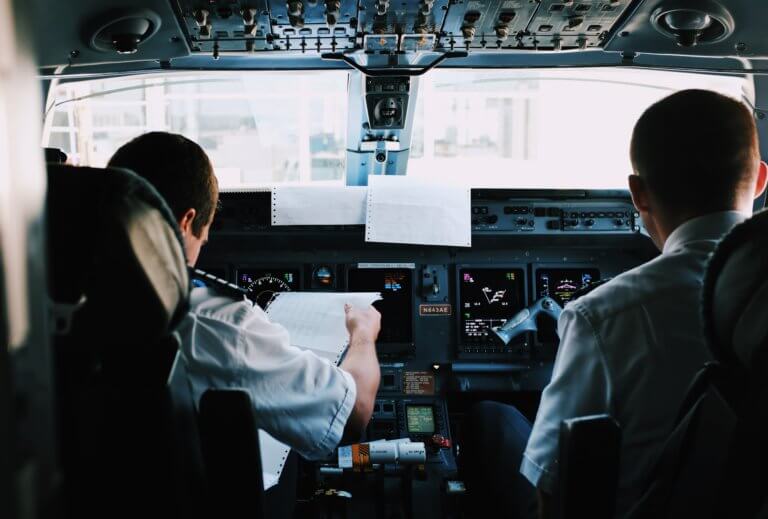
Voxy has a heightened interest in developing more programs that fill English language gaps in the aviation industry. Our task-based methodology centers on meaningful tasks that prepare language learners for real-life situations, including safety protocols and regulations to ensure safe air travel. When outdated language programs are in place, learners are ill-prepared, especially in an emergency. Below we explore one specific tragedy that still haunts those in aviation today and how efficient language training can prevent future crises.
Tragedy in the Air
Ask any pilot flying into New York City’s JFK airport and they will unequivocally tell you that dealing with air traffic controllers in this city is intimidating. Typically, these statements are made by experienced pilots who are native English speakers, and they say this with good reason. New York’s airspace is among the busiest in the world. Now imagine for a moment your native language isn’t English and you and your flight crew are up against some fast-talking, impatient New Yorker in the air traffic control booth. It’s a potential recipe for disaster.
This is the exact terrifying scenario that led to the crash of Avianca Flight 52 from Bogotá, Colombia to New York City in 1990. Severe weather conditions kept the aircraft in a holding pattern, unable to land without permission for more than an hour, although the plane’s fuel level was dangerously low. Remaining professional, yet aware of their dire state, the Avianca flight crew communicated their situation as best they could to the crew on the ground. Sadly, according to transcripts, the flight crew failed to use the correct terminology, was unable to convey a sense of urgency, and more specifically, made no mention of the word “emergency” at all. In the end, JFK’s air traffic control team underestimated the distress call and in a matter of moments the plane crashed, killing 73 of the 158 people on board. Following the crash, the National Transportation Safety Board determined the Avianca crash happened as a result of the crew’s failure to properly communicate a fuel emergency.
This crash could have been avoided. Yet, regrettably, incidents like this are not isolated.
Increased Airline Traffic and Filling Language Gaps
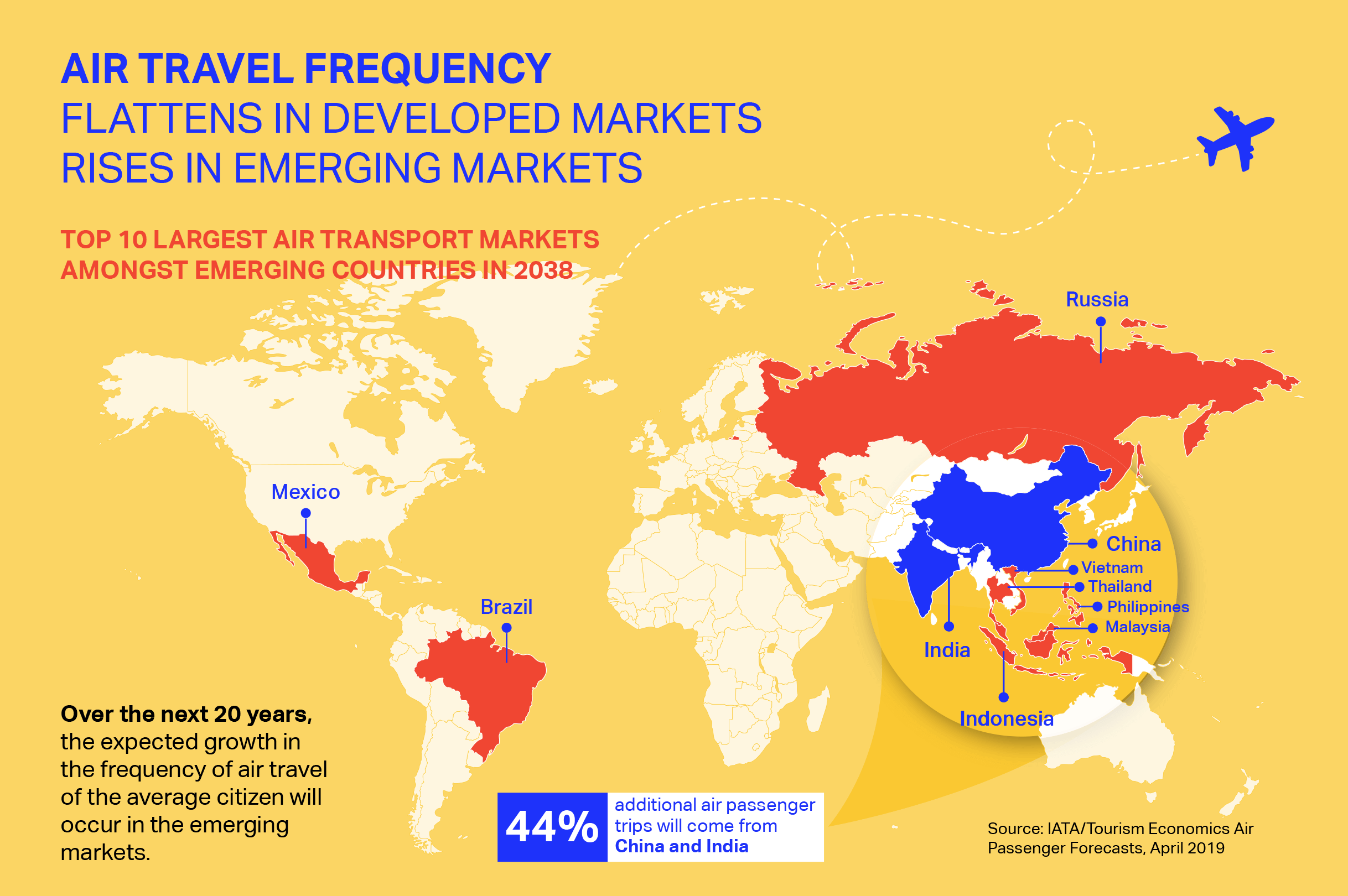
Another aviation organization, The International Air Transport Association (IATA), released its 20-year passenger forecast projecting air traffic from 2018 to 2038. The IATA forecast explicitly states which emerging markets will see a rise in airline passenger traffic. Of the emerging markets mentioned in Latin America to see increased aviation traffic, Brazil and Mexico lead the list. Now more than ever, it is important for those in the aviation business to think about the English language training needs of their employees and which language gaps need to be filled. While still only a recommendation by the International Civil Aviation Organization (ICAO), “Aviation English” is the only accepted aviation language worldwide for pilots in civilian aviation, but a need still exists for content-based language training in the aviation industry. English language training for other crew members is equally important and should be a requirement. Implementing an efficient English language training program will help employees communicate effectively and save lives.
 Taking the potential aviation emergencies that can happen into account, Voxy is well aware of the English language gaps that exist in this industry. The ability to communicate well in an emergency is indispensable. In addition to language training offerings, Voxy has extensive experience working with businesses to integrate their content (manuals, handbooks, and beyond) into specific language lessons for employees. The time is now, not later, to help avert an aviation catastrophe due to language barriers.
Have an interest in ways Voxy can help your team be prepared for and prevent emergencies with language training? Contact us about our content integration capabilities and more.