
If you’re an English language learner or teacher, you’re probably familiar with this general scenario:
Student: “I don’t understand. Why is [insert deceptively difficult word] pronounced [insert correct pronunciation] and not [insert incorrect pronunciation]?”
Teacher: “The English language has many rules and exceptions to these rules.”
Now hopefully, if you’re the teacher, you’ve perfected a much more thoughtful response to such inquiries. If you’re the student, however, you might find yourself with a new question for every answer you receive. The wonders – and horrors – of English pronunciation have a way of creeping up on language learners.
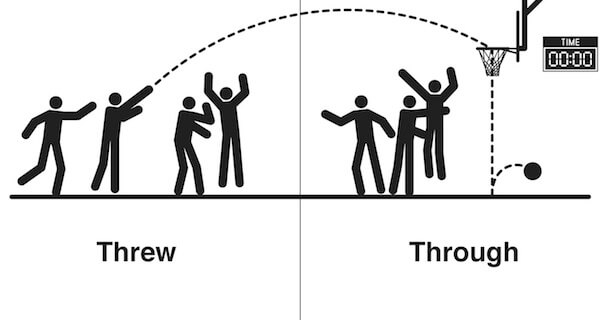
Why does “through” sound like “threw” but “thorough” like “burrow”? Instead of offering a clumsy response to this question, we’ve decided to celebrate the quirkiness of English pronunciation with the following list.
Do you have an example to add to the mix? Let us know in the comments section below!
(wound)The doctor wound the bandage around the wound.
(bow) The viking took a bow after shooting his bow from the bow of his longship.
(dessert, desert) The soldier ate his dessert in the desert after he was forced to desert.
(Polish, polish) The Polish furniture could use a good polish.
(produce) They produce the finest produce at this farm.
(sow) The sow likes to watch the farmer sow his land.
(refuse) If the dump is full, it will refuse your refuse.
(present) Since there’s no time like the present, this is the perfect time to present the present.
(base, bass) At the Coast Guard base, a bass was painted on the head of a bass drum.
(dove) Startled, the dove dove into the bushes.
(invalid) The poor invalid has invalid insurance.
(close) They couldn’t close the door because they weren’t close enough.
(does) The buck does funny things when the does are present.
(sewer) A seamstress and a sewer fell down into the sewer.
(wind) The strong wind made it difficult to wind up the sail.
(number) After a number of Novocain injections, my jaw got number.
(subject) The scientist had to subject the subject to a series of tests.
(intimate) How can I intimate this to my most intimate friend?
(evening) I spent last evening evening out a pile of dirt.
(tear) Upon seeing the tear in my favorite shirt, I shed a tear.
Grand finale: A rough-coated, dough-faced, thoughtful ploughman strode through the streets of Scarborough; after falling into a slough, he coughed and hiccoughed.
Credits
A big thanks to the folks over at Have Fun With English and Seiyaku.com for the clever content that inspired this post.
Image credit: Homophones, Weakly
Related Blog Posts, Articles and Links from the field of ELT
- Baiba Svenca explains how you can help your EFL students with pronunciation
- Nick Jaworski discusses the difficulties of English pronunciation for learners from Turkey and Vietnam and outlines useful pronunciation activities